
If your vision is cloudy or blurry, you may hesitate to drive after dark, find it difficult to read fine text or feel unsteady while walking. These symptoms may point to cataracts — an age-related eye condition that can affect your vision over time.
What Are Cataracts?
Cataracts form when the natural lens in your eye loses its clarity, usually because of aging. This change happens slowly, and you may not notice it at first. Daily activities like reading or driving may become difficult or unsafe.
The Centers for Disease Control and Prevention report that more than 20.5 million people in the U.S. aged 40 and older have cataracts. During Cataract Awareness Month, we will focus on the symptoms and treatment of the main cause of vision loss in the U.S.
To preserve your eyesight, early detection through regular eye examinations and treatment are critical. Cataract surgery restores your vision and improves your quality of life safely and effectively.
Regain Confidence Performing Everyday Tasks
If you have cataracts, glare from headlights and halos around lights can make driving uncomfortable and even dangerous. After cataract surgery, many patients report a significant improvement in their ability to drive safely and confidently, especially at night.
If you hold books or menus at arm’s length or need extra light to read, cataracts may be the reason. Cataracts can blur printed words, dull colors and make reading tiring. Surgery can bring reading back into focus by returning your sharp, vibrant vision.
Cataracts can make it harder to see clearly, which may affect your coordination and ability to judge distances. Improved vision after surgery can help you navigate uneven surfaces more easily and reduce the risk of falls.
Consider Cataract Surgery at an ASC
Today, patients often undergo cataract surgery at an ambulatory surgery center (ASC). These outpatient facilities are designed for efficiency, comfort and cost-effectiveness. ASCs often have shorter wait times, lower infection risks and a more personalized experience for patients.
Choose a Lens That Is Right for You
During cataract surgery, doctors remove the cloudy lens of the eye and replace it with a permanent intraocular lens (IOL). Consult with your eye doctor about the most suitable IOLs for your vision needs and lifestyle. Consider these IOL options:
Monofocal Lens — Medicare or health insurance usually covers the cost. Glasses or contacts will likely be needed after surgery.
Astigmatism-correcting Lens — Also called toric lenses, these generally provide clear distance vision. For some people, these lenses give them the sharpest vision of their life. Reading glasses or contacts may be needed after surgery.
Multifocal Lens — This premium lens option may reduce your dependence on reading glasses. Health insurance does not cover the cost of these lenses. Consider the one-time cost of the lenses versus not buying new eyeglasses or contacts again.
Ready to See the Difference? Schedule an Appointment.
If cataracts are interfering with your daily life, do not wait to seek treatment. Our board-certified ophthalmologists are accepting new patients. Schedule an appointment for a comprehensive eye exam. Then, talk to your eye doctor about whether it is time to consider cataract surgery.
If you have met your health insurance deductible, your personal costs for cataract surgery may be significantly reduced. To take full advantage of your health plan’s benefits, schedule your procedure before the end of the calendar year.
Clearer vision and a better quality of life are within your reach. Find one of our eye care centers near you.
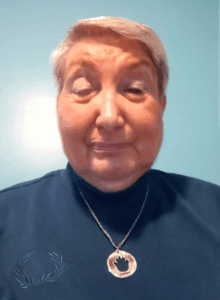 A retired probation officer from Rutherford, New Jersey, Rhodes, 77, appreciates the importance of clear vision. A year ago, she was diagnosed with Bell’s palsy, a neurological disorder that causes paralysis or weakness on one side of the face.
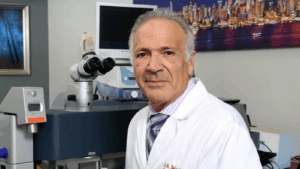 Dr. DeLuca’s office partners with the Lions Eye Bank for Long Island, a not-for-profit organization dedicated to fighting corneal blindness. After several weeks, Lions Eye Bank notified the office that a 24-year-old man passed away and his family opted for organ donation.
 Ten months later, Rhodes administers daily eye drops for
  Gonzalez, 50, said she had started new medication and wondered if that could be affecting her vision. She made an appointment with ophthalmologist Hardik Parikh, MD, FAAO, in early 2023.
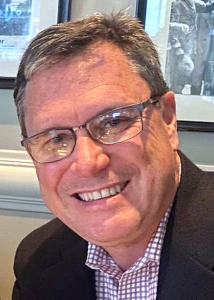 Nearly 40 years later, Schneider serves as the Judge-Executive, the head of county government, in Henderson County, Kentucky. About three years ago, he noticed driving home from work at night became challenging.
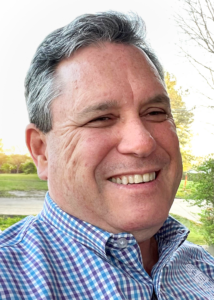 Schneider’s first cataract surgery was on Nov. 30, 2023. Three days later, his vision began to clear in his left eye after the initial swelling had subsided.